

Dilapidation Surveys: The Complete Guide to Protecting Your Property Interests in 2026
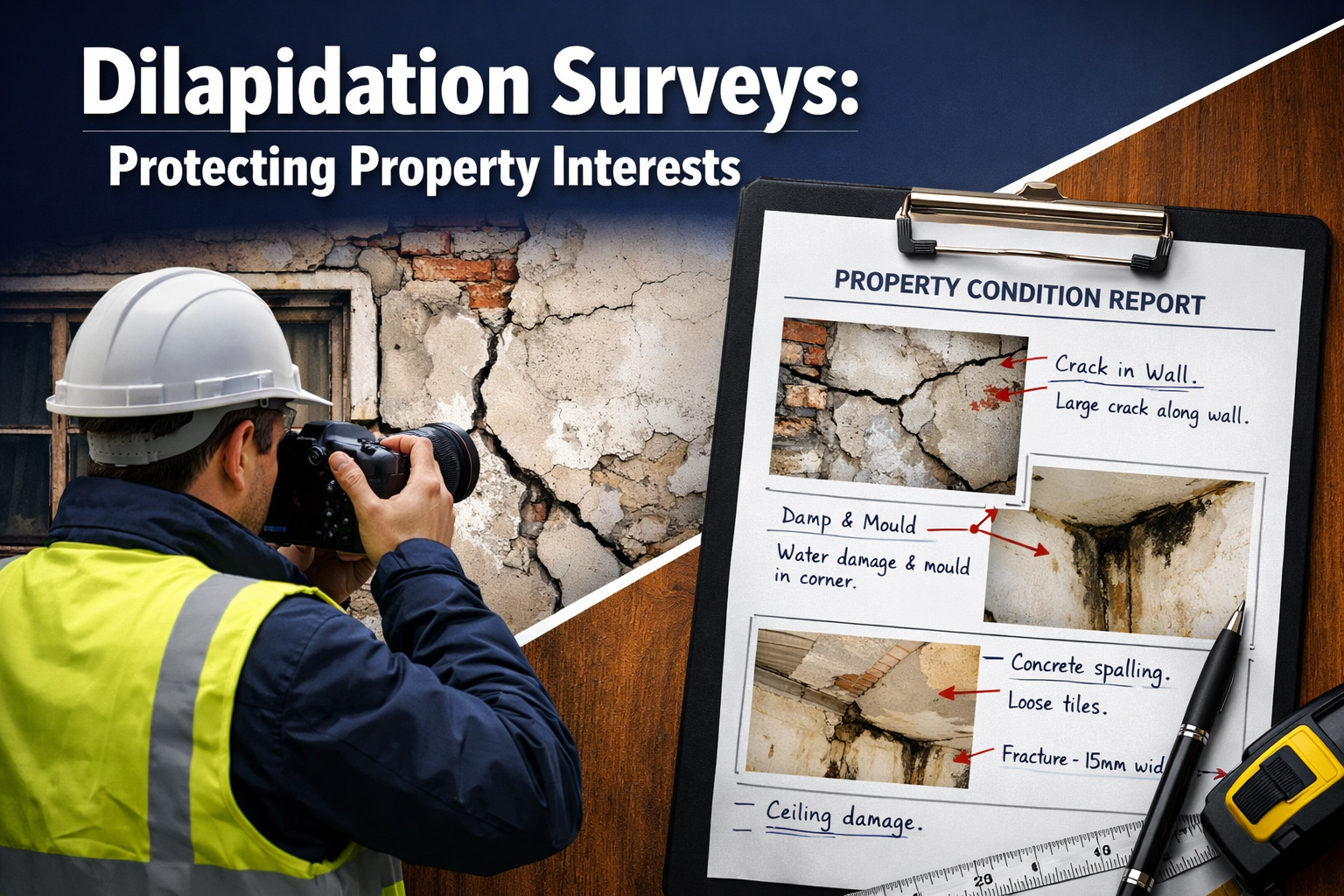
When a tenant vacates a commercial property or construction work begins near your building, how can you prove what damage existed beforehand? The answer lies in a critical yet often overlooked property assessment tool that has saved countless property owners and tenants from costly disputes and unfair repair bills.
Dilapidation surveys provide essential documentation of a property’s condition at a specific point in time, creating an irrefutable baseline that protects all parties involved in property transactions, lease agreements, and construction projects. In 2026, as property disputes become increasingly complex and expensive to resolve, understanding these surveys has never been more important.
Key Takeaways
- Dilapidation surveys establish a detailed baseline of property condition before construction work, lease commencement, or demolition activities, protecting both property owners and tenants from unfair liability[1][3]
- Advanced technology including 360° cameras and drones now enables more comprehensive and accurate property documentation with geolocated photographs for remote verification[3]
- These surveys prevent costly disputes by clearly determining whether damage is new or pre-existing, saving thousands in potential legal fees and repair costs[3][4]
- Both landlords and tenants benefit from professional dilapidation assessments that ensure fair allocation of repair responsibilities and maintenance obligations[2]
- Professional reports include comprehensive documentation such as Schedules of Dilapidations, budget cost estimates, and risk assessments prepared by qualified chartered surveyors[2][4]
What Are Dilapidation Surveys?

A dilapidation survey is a comprehensive property inspection that documents the existing condition of a building or structure at a specific point in time. These detailed assessments create a photographic and written record of every aspect of a property’s current state, from structural elements to cosmetic finishes.
Unlike standard property surveys, dilapidation surveys focus specifically on establishing a baseline condition that can be referenced later to determine if new damage has occurred. This makes them invaluable tools for dispute prevention and liability protection[3].
Core Components of Dilapidation Surveys
Professional dilapidation surveys examine numerous property elements, including:
- Structural components: Foundation integrity, wall cracks, ceiling damage, and load-bearing elements
- Exterior features: Brickwork condition, rendering, roof shingles, guttering, and drainage systems[1]
- Interior finishes: Plaster walls, flooring, fixtures, and decorative elements
- Plumbing and fixtures: Tile cracks around bathrooms and kitchens, pipe conditions
- Landscaping: Pathways, gardens, fencing, and outdoor structures[1]
- Ground conditions: Evidence of ground movement, subsidence, or settlement
Modern surveys leverage cutting-edge technology to create more accurate and comprehensive records than ever before. Professional surveyors now use 360° cameras, drones for roof inspections, and web-based platforms that allow stakeholders to explore properties remotely through geolocated photographs[3].
When Do You Need Dilapidation Surveys?
Understanding when to commission a dilapidation survey can save property owners and tenants significant money and stress. Here are the most common scenarios:
🏗️ Before Construction or Demolition Work
Property owners near construction sites face significant risk of damage from vibrations, excavation, and heavy machinery. A dilapidation survey conducted before work begins creates an indisputable record of pre-existing conditions[1][3].
This baseline documentation proves invaluable when:
- Neighbouring construction causes cracks or structural damage
- Demolition work affects adjacent properties
- Ground excavation leads to settlement issues
- Heavy machinery causes vibration damage
🏢 Commercial Lease Agreements
Both landlords and tenants benefit enormously from dilapidation surveys at the start and end of commercial leases. These assessments clarify repair responsibilities and prevent disputes over who should pay for specific damages[2][4].
For tenants, a comprehensive schedule of dilapidations at lease commencement protects against being charged for pre-existing damage when vacating the property. This documentation can save thousands of pounds in unfair repair costs[2].
🏘️ Property Development Projects
Developers conducting work that might affect neighbouring properties should commission dilapidation surveys to protect themselves from false claims. This proactive approach demonstrates professional responsibility and provides legal protection[1].
📋 Party Wall Matters
When undertaking work covered by party wall legislation, dilapidation surveys complement party wall notices by documenting conditions before work begins. This creates a complete record that protects all parties involved.
The Dilapidation Survey Process
Understanding how professional surveyors conduct these assessments helps property owners and tenants appreciate their value and prepare appropriately.
Step 1: Initial Consultation and Scope Definition
The process begins with chartered surveyors meeting with clients to understand specific concerns and define the survey scope. This ensures the assessment covers all relevant areas and addresses particular risk factors.
Step 2: Comprehensive Property Inspection
Qualified surveyors conduct a thorough examination of the property, documenting:
| Survey Element | Documentation Method |
|---|---|
| Structural defects | High-resolution photography, measurements, detailed notes |
| Surface damage | Close-up images, crack width measurements, location mapping |
| Roof condition | Drone photography, thermal imaging where appropriate |
| Interior spaces | 360° photography, room-by-room documentation |
| Exterior features | Comprehensive photographic record, condition grading |
Advanced technology enables surveyors to capture details that might be missed during traditional inspections. For example, drone roof surveys provide safe access to high or dangerous areas while creating detailed visual records[3].
Step 3: Report Preparation
Professional surveyors compile findings into comprehensive reports that include:
- Detailed condition descriptions with precise locations and measurements
- Photographic evidence with geolocated images for easy reference
- Risk assessments highlighting areas of concern
- Budget cost estimates for identified repairs or deterioration[2]
- Recommendations for monitoring or remedial action
Step 4: Ongoing Monitoring
For construction projects, surveyors may conduct interim inspections to monitor any changes during the work period. This creates a timeline of conditions that can prove when specific damage occurred[3].
Benefits of Professional Dilapidation Surveys
Investing in professional dilapidation surveys delivers substantial benefits that far outweigh the initial cost.
💰 Financial Protection
These surveys prevent overpayment for repairs that aren’t your responsibility. For commercial tenants, this can mean savings of tens of thousands of pounds when lease terms end[2][4].
Property owners near construction sites gain leverage when negotiating compensation for damage, as professional documentation substantiates claims and prevents contractors from denying responsibility[3].
⚖️ Legal Safeguards
Detailed dilapidation reports provide admissible evidence in legal disputes. Courts and arbitrators rely heavily on professional surveyor assessments when determining liability and compensation[4].
The documentation created by commercial dilapidation surveys meets legal standards and carries significant weight in dispute resolution proceedings.
🛡️ Risk Management
For landlords, dilapidation surveys ensure building safety for tenants, employees, and the public by identifying existing defects that require attention[2]. This proactive approach reduces liability exposure and demonstrates duty of care.
Developers protect their reputation and finances by documenting pre-existing conditions before work begins, preventing false damage claims that could delay projects or increase costs[1].
🤝 Relationship Preservation
Clear documentation prevents misunderstandings between parties. When everyone agrees on baseline conditions, disputes become less likely, preserving professional and neighbourly relationships[3][4].
📊 Informed Decision-Making
Comprehensive condition assessments enable property owners to make informed decisions about:
- Lease negotiations and rental pricing
- Property purchase or sale transactions
- Maintenance planning and budgeting
- Insurance coverage requirements
Understanding Schedules of Dilapidations
A schedule of dilapidations is a specific type of report prepared under lease agreements, typically when a commercial tenant is vacating a property. This document itemizes all breaches of lease covenants related to repair and maintenance obligations.
Types of Dilapidation Schedules
Interim Schedule: Prepared during a lease term to notify tenants of outstanding repair obligations, giving them opportunity to remedy issues before lease end[4].
Terminal Schedule: Issued at or near lease expiry, detailing all dilapidations and associated costs for which the tenant is liable[4].
Final Schedule: Prepared after the tenant vacates, documenting actual costs incurred by the landlord to remedy breaches[4].
Key Components
Professional schedules of dilapidations include:
- Detailed breach descriptions referencing specific lease clauses
- Photographic evidence of each dilapidation
- Cost estimates for remedial works prepared by quantity surveyors
- Legal context explaining tenant obligations
- Diminution valuations assessing impact on property value[4]
Understanding what different types of surveys cover helps property stakeholders choose appropriate assessments for their specific situations.
Dilapidation Surveys vs. Other Property Assessments
Property owners often confuse dilapidation surveys with other types of property inspections. Understanding the differences helps ensure you commission the right assessment for your needs.
Dilapidation Surveys vs. Building Surveys
While building surveys assess overall property condition for purchase decisions, dilapidation surveys focus specifically on documenting baseline conditions at a point in time for comparison purposes.
Building surveys provide comprehensive condition assessments to inform purchase decisions, while dilapidation surveys create reference points to determine if new damage has occurred[2].
Dilapidation Surveys vs. Schedule of Condition Reports
A schedule of condition report is typically prepared at lease commencement to limit tenant liability to maintaining the property in no worse condition than documented. This differs from a dilapidation survey’s broader protective purpose[4].
Dilapidation Surveys vs. Specific Defect Reports
Specific defect reports investigate particular issues in detail, while dilapidation surveys provide comprehensive documentation of overall property condition without focusing on specific problems.
Technology Advancements in Dilapidation Surveys
The dilapidation survey industry has evolved dramatically in recent years, with technology enhancing accuracy, comprehensiveness, and accessibility.
📸 360° Photography
Modern surveyors use 360° cameras to create immersive visual records that allow stakeholders to virtually explore properties. These comprehensive images capture entire rooms and spaces, ensuring no detail is overlooked[3].
🚁 Drone Technology
Aerial drones enable safe, cost-effective inspection of roofs, tall structures, and difficult-to-access areas. This technology provides detailed visual documentation without the safety risks and costs associated with scaffolding or cherry pickers[3].
🌐 Web-Based Platforms
Advanced reporting platforms allow clients to access survey findings through interactive web interfaces. Geolocated photographs enable users to click on floor plans and view specific areas, making reports more accessible and user-friendly[3].
📱 Mobile Documentation
Surveyors now use specialized mobile applications that streamline data collection, ensuring consistent documentation and reducing the time between inspection and report delivery.
Choosing the Right Surveyor for Dilapidation Assessments
The quality of your dilapidation survey depends entirely on the expertise and professionalism of your surveyor. Consider these factors when selecting a professional:
Professional Qualifications
Look for surveyors who are members of the Royal Institution of Chartered Surveyors (RICS), which maintains rigorous professional standards. RICS members must adhere to ethical guidelines and continuing professional development requirements[6].
Relevant Experience
Choose surveyors with specific experience in dilapidation assessments for your property type. Commercial property specialists understand lease obligations, while residential experts know common construction damage patterns.
Technology Capabilities
Modern dilapidation surveys require advanced technology. Ensure your surveyor uses current equipment including high-resolution cameras, drones where appropriate, and professional reporting software[3].
Insurance Coverage
Professional indemnity insurance protects you if errors occur in the survey or report. Verify that your surveyor carries adequate coverage for the property value involved.
Clear Communication
Effective surveyors explain their process, findings, and recommendations in accessible language. They should be responsive to questions and willing to provide additional clarification when needed.
Cost Considerations for Dilapidation Surveys
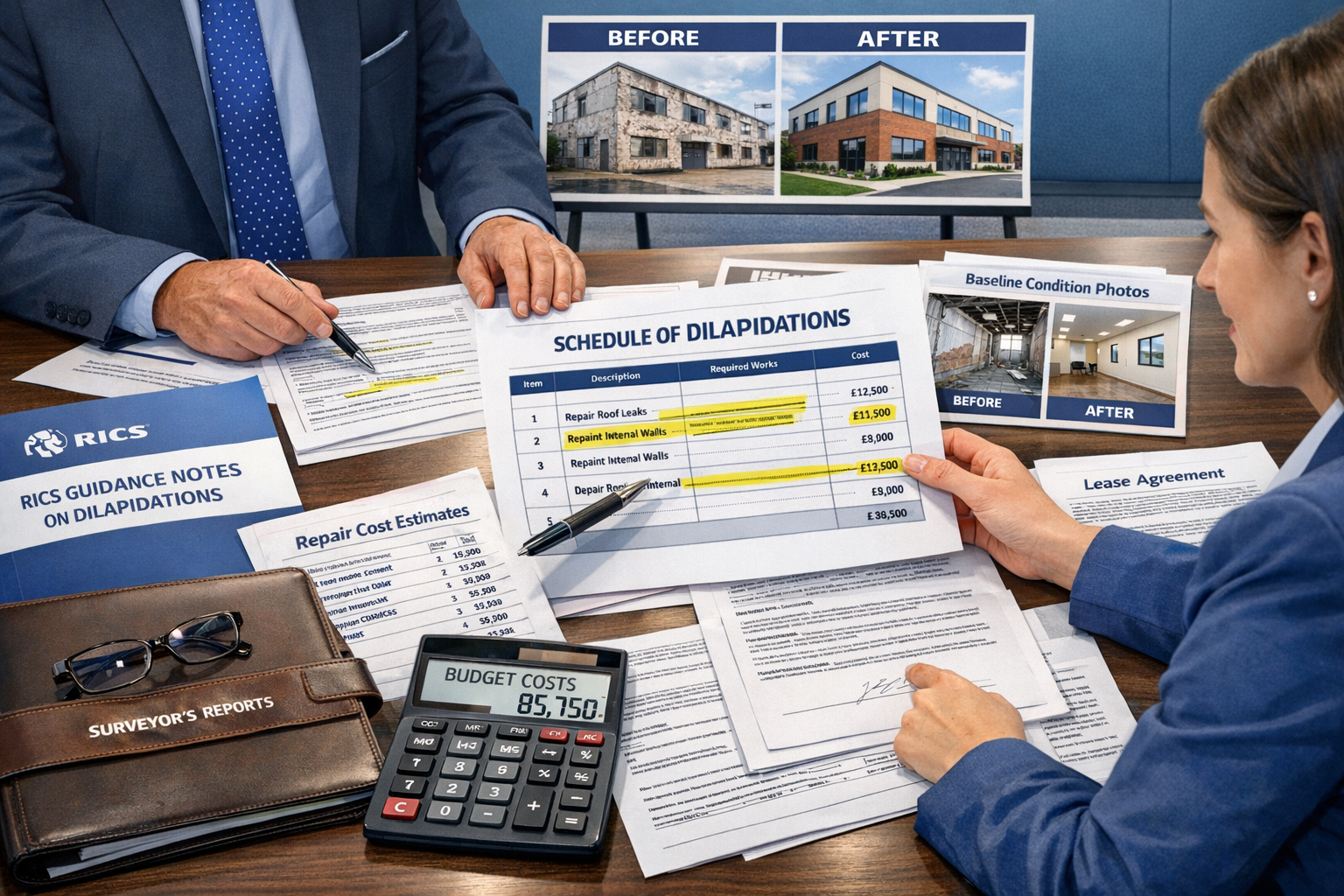
Understanding the investment required for professional dilapidation surveys helps property owners and tenants budget appropriately.
Factors Affecting Survey Costs
Several variables influence dilapidation survey pricing:
- Property size: Larger buildings require more time to inspect and document
- Property complexity: Multiple floors, outbuildings, and complex layouts increase costs
- Access challenges: Difficult-to-reach areas requiring specialized equipment add expenses
- Report detail level: Comprehensive reports with extensive photography cost more than basic assessments
- Urgency: Expedited surveys typically carry premium pricing
Return on Investment
While dilapidation surveys require upfront investment, they deliver substantial returns by:
- Preventing unfair repair charges that could cost 10-50 times the survey fee[2][4]
- Avoiding legal disputes with associated solicitor fees
- Providing leverage in negotiations over damage compensation
- Enabling informed property decisions that save money long-term
Comparing Survey Options
When evaluating survey quotes, consider value rather than just price. The cheapest option may use outdated methods or provide inadequate documentation, while premium services offer comprehensive protection and advanced technology[3].
Legal Framework and Industry Standards
Dilapidation surveys operate within established legal and professional frameworks that ensure quality and reliability.
RICS Guidelines
The Royal Institution of Chartered Surveyors publishes guidance on dilapidation assessments, including the RICS Dilapidations Guidance Note. These standards ensure consistent, professional approaches across the industry[6].
RICS is hosting a Dilapidations Conference in 2026 addressing “evolving pressures influencing dilapidations practice,” demonstrating the organization’s commitment to maintaining current standards as the field develops[6].
Landlord and Tenant Act 1927
This legislation limits landlord claims for dilapidations to the actual diminution in property value, preventing excessive claims that exceed real financial loss[4].
Leasehold Property (Repairs) Act 1938
This act provides tenant protections requiring landlords to serve notice before pursuing dilapidation claims, giving tenants opportunity to remedy breaches[4].
Professional Standards
Qualified surveyors must adhere to professional codes of conduct that require:
- Objectivity: Unbiased assessment regardless of who commissions the survey
- Competence: Only undertaking work within areas of expertise
- Transparency: Clear communication about limitations and assumptions
- Confidentiality: Protecting client information appropriately
Common Dilapidation Survey Scenarios
Real-world examples illustrate how dilapidation surveys protect property interests across various situations.
Scenario 1: Construction Damage Prevention
A homeowner near a major development project commissioned a dilapidation survey before work began. When cracks appeared in their property during construction, the baseline documentation proved the damage was new, resulting in the developer paying £45,000 for repairs[1][3].
Without the survey, the homeowner would have struggled to prove the damage wasn’t pre-existing, potentially bearing the entire repair cost themselves.
Scenario 2: Commercial Lease Protection
A retail tenant commissioned a schedule of condition when leasing a shop unit with existing wear and tear. Upon vacating five years later, the landlord initially claimed £30,000 for dilapidations. The tenant’s baseline documentation proved most claimed items were pre-existing, reducing the final settlement to £8,000[2][4].
Scenario 3: Development Project Safeguards
A property developer undertaking a large residential project commissioned dilapidation surveys of all neighbouring properties. When a neighbour claimed £25,000 for alleged construction damage, the survey proved the cracks existed beforehand, saving the developer from an unfair payout and protecting their professional reputation[1].
Preparing for a Dilapidation Survey
Property owners and tenants can take steps to ensure their dilapidation survey delivers maximum value.
Before the Survey
✅ Provide access to all areas: Ensure surveyors can inspect every relevant space, including basements, lofts, and outbuildings
✅ Remove obstructions: Clear furniture or stored items that might block access to walls, floors, or fixtures
✅ Compile relevant documentation: Gather lease agreements, previous survey reports, or maintenance records
✅ Identify specific concerns: Note any areas requiring particular attention or documentation
✅ Arrange utility access: Ensure electricity and lighting are available for interior photography
During the Survey
- Allow surveyors to work without interruption for accurate, comprehensive assessment
- Be available to answer questions about property history or specific features
- Note any areas the surveyor identifies as requiring attention
- Ask questions about the process or findings as they emerge
After the Survey
📋 Review the report thoroughly upon receipt, checking that all areas of concern are documented
📋 Seek clarification on any unclear findings or recommendations
📋 Store documentation securely in both physical and digital formats
📋 Share relevant findings with other stakeholders such as landlords, tenants, or contractors
📋 Act on recommendations for monitoring or remedial work
The Future of Dilapidation Surveys in 2026 and Beyond
The dilapidation survey industry continues evolving with technological advancement and changing property market dynamics.
Emerging Technologies
Artificial intelligence is beginning to assist surveyors in identifying defects and comparing conditions over time. AI-powered image analysis can detect subtle changes that human eyes might miss, enhancing survey accuracy[3].
3D scanning technology creates detailed digital twins of properties, allowing precise measurements and comprehensive documentation that can be revisited virtually at any time.
Thermal imaging helps identify hidden defects such as moisture ingress or insulation problems that affect property condition but aren’t visible to the naked eye.
Industry Developments
The RICS Dilapidations Conference in 2026 addresses evolving pressures in dilapidations practice, including sustainability considerations, changing lease structures, and technological integration[6].
As environmental concerns grow, dilapidation surveys increasingly assess energy efficiency and sustainability features, documenting baseline conditions for green building elements.
Market Trends
Remote and hybrid work patterns have transformed commercial property markets, affecting dilapidation survey demand. Shorter lease terms and more flexible arrangements require more frequent condition assessments.
Increased construction activity in urban areas drives demand for pre-construction dilapidation surveys as property owners seek protection from neighbouring development impacts[1][3].
Conclusion: Protecting Your Property Interests Through Professional Assessment
Dilapidation surveys represent essential protection for property owners, tenants, and developers in 2026’s complex property landscape. These comprehensive assessments create irrefutable baseline documentation that prevents disputes, ensures fair allocation of repair responsibilities, and provides legal protection when conflicts arise.
The investment in professional dilapidation surveys in London and beyond delivers returns many times the initial cost by preventing unfair repair charges, avoiding expensive legal disputes, and enabling informed property decisions. Advanced technology including 360° cameras, drones, and web-based platforms has made these surveys more comprehensive and accessible than ever before[3].
Take Action to Protect Your Property Interests
Whether you’re a commercial tenant preparing to vacate a lease, a property owner near planned construction work, or a developer undertaking building projects, commissioning a professional dilapidation survey should be a priority.
Next steps:
- Identify your specific needs: Determine what type of dilapidation assessment suits your situation
- Research qualified surveyors: Look for RICS-qualified professionals with relevant experience
- Request detailed quotes: Compare services, technology, and deliverables rather than just price
- Schedule your survey: Book assessments well before construction begins or lease terms end
- Review documentation thoroughly: Ensure reports cover all relevant areas and concerns
Don’t wait until disputes arise to wish you had baseline documentation. Professional dilapidation surveys provide peace of mind and financial protection that proves invaluable when property conditions become contested.
For expert guidance on your specific situation, consult with qualified chartered surveyors who can assess your needs and recommend appropriate protective measures.
References
[1] Dilapidation Survey – https://www.asseteconomics.com.au/services/dilapidation-survey/
[2] Surveys – https://www.dilapsolutions.com/services/surveys/
[3] Watch – https://www.youtube.com/watch?v=1vxAWNvp5JM
[4] 5 Reasons Why Dilapidation Surveys Are Important – https://www.giromax.co.uk/blog/5-reasons-why-dilapidation-surveys-are-important/
[5] Dilapidations For Surveyors – https://goreport.com/dilapidations-for-surveyors/
[6] Dilapidations Conference – https://www.rics.org/training-events/conferences/dilapidations-conference