

Dilapidations Survey: Your Complete Professional Guide for 2026
When a commercial lease ends, the question isn’t whether there will be property condition disputes—it’s how prepared both parties are to handle them. A dilapidations survey stands as the critical tool that transforms potential conflict into documented, negotiable facts. In 2026, with commercial property markets experiencing unprecedented volatility and technology reshaping professional surveying practices, understanding this essential assessment has never been more valuable for landlords, tenants, and property managers alike.
Key Takeaways
- 🏢 A dilapidations survey is a professional assessment documenting a tenant’s repair and reinstatement obligations under a commercial lease agreement
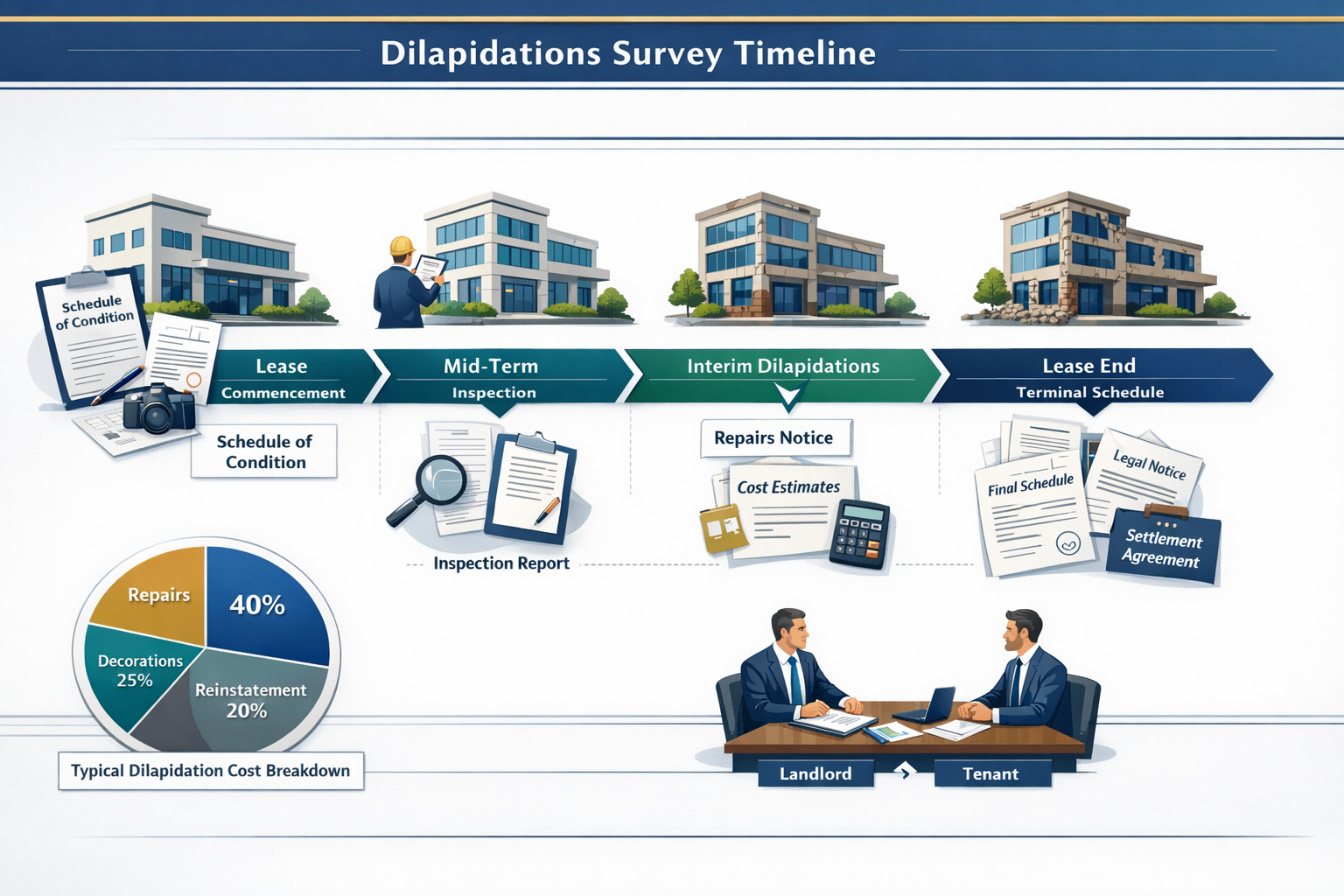
- 📋 Three main types exist: interim dilapidations (during lease), terminal schedules (at lease end), and schedules of condition (at lease commencement)
- 💰 Proper dilapidations management can save thousands to millions in dispute costs and unexpected repair bills
- ⚖️ The process involves detailed technical assessment, legal interpretation, and commercial negotiation between landlords and tenants
- 🔧 Technology adoption is transforming the industry, with over 50% of professionals planning tech investments in their dilapidations practice[1]
What Is a Dilapidations Survey?
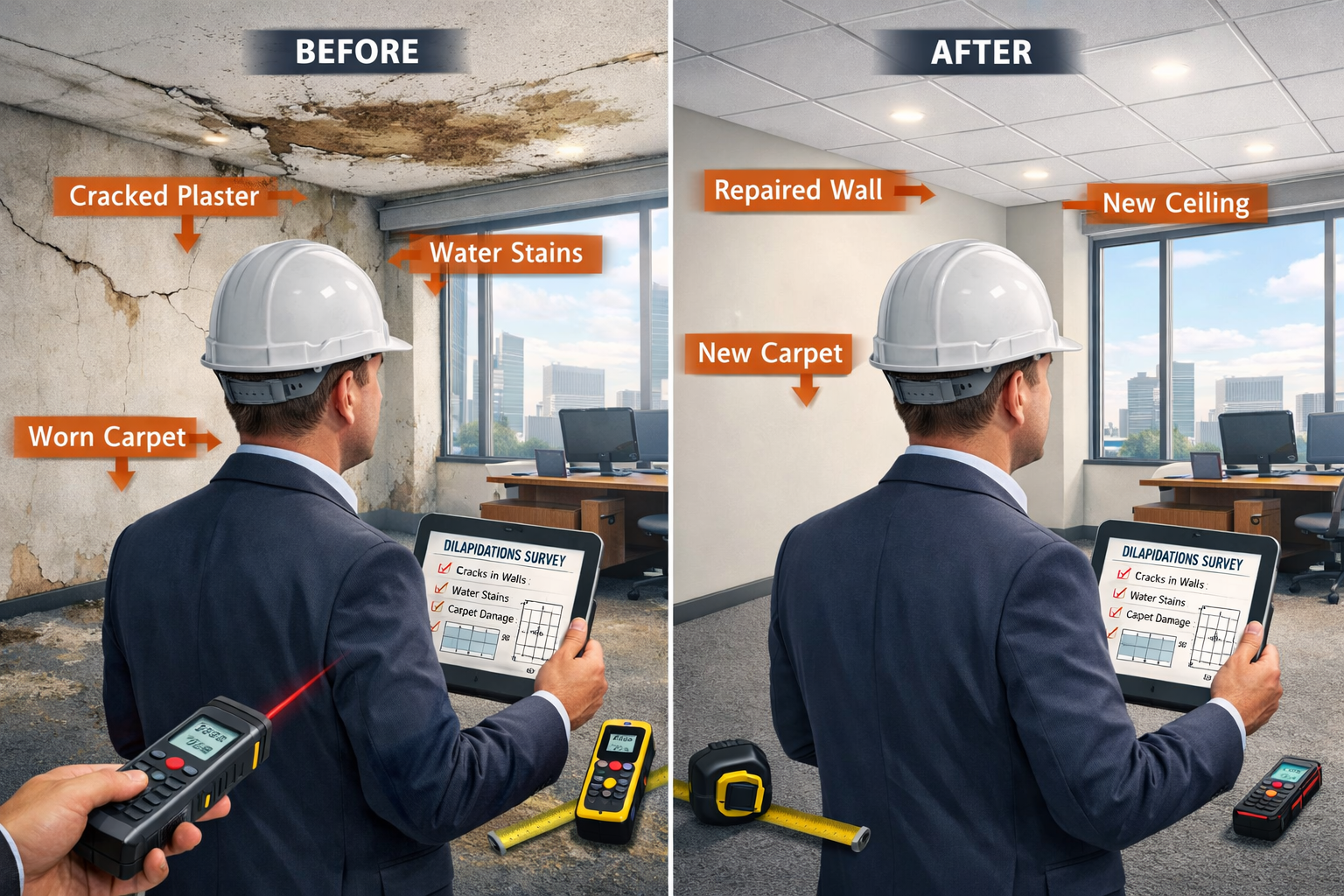
A dilapidations survey represents a comprehensive professional assessment that identifies and documents the condition of a commercial property in relation to a tenant’s lease obligations. This specialized examination evaluates repairs, decorations, and reinstatement works required to return the property to its contractually agreed state[2].
The survey serves multiple critical functions:
Documentation and Evidence: Creating an irrefutable record of property condition at specific lease milestones, supported by photographs, measurements, and detailed descriptions.
Financial Quantification: Providing accurate cost estimates for required remedial works, enabling both parties to understand potential liabilities[4].
Negotiation Framework: Establishing a professional baseline for discussions between landlords and tenants regarding repair obligations and settlement amounts.
Legal Compliance: Ensuring adherence to lease covenants and relevant legislation, including the Landlord and Tenant Act 1927 Section 18(1) which caps claims at diminution in reversion value[7].
In the current commercial property landscape of 2026, commercial dilapidation surveys have become increasingly sophisticated, incorporating digital documentation, drone technology, and data analytics to provide comprehensive assessments.
The Legal Foundation
Every dilapidations survey operates within a framework of lease obligations. Commercial leases typically include three key covenants:
- Repair Covenants: Requirements to maintain the property in good condition throughout the tenancy
- Decoration Covenants: Obligations to redecorate at specified intervals or lease end
- Reinstatement Covenants: Duties to remove alterations and return premises to original configuration
The surveyor’s role involves interpreting these legal obligations and translating them into practical, measurable requirements[6].
Types of Dilapidations Surveys and When They’re Required
Understanding when different dilapidations survey types apply helps property stakeholders plan strategically and manage costs effectively.
Schedule of Condition
Prepared at lease commencement, this baseline document records the property’s existing state with photographs and detailed descriptions. While not technically a dilapidations survey itself, it provides essential protection for tenants by establishing what condition existed before occupation[4].
A comprehensive schedule of condition report can prevent disputes by clearly documenting pre-existing defects that tenants shouldn’t be held responsible for repairing.
When required:
- Before taking occupation of a property in less-than-perfect condition
- When negotiating favorable lease terms
- For properties requiring significant fit-out or alterations
Interim Dilapidations Survey
Conducted during the lease term, this assessment identifies accumulating disrepair before it becomes extensive and costly. Landlords use interim surveys to enforce repair covenants proactively[3].
Benefits for landlords:
- Early identification of maintenance issues
- Prevention of deterioration
- Documented evidence for enforcement
- Opportunity for tenant compliance before lease end
Benefits for tenants:
- Advance warning of potential liabilities
- Time to budget for repairs
- Opportunity to negotiate repair specifications
- Avoidance of inflated terminal claims
Terminal Schedule of Dilapidations
Prepared at or near lease expiry, this comprehensive document forms the basis of the landlord’s claim against the tenant. It represents the most detailed and consequential type of dilapidations survey[2].
Key components include:
| Element | Description | Purpose |
|---|---|---|
| Breach Schedule | Detailed list of lease covenant breaches | Identifies specific failures |
| Specification | Technical descriptions of required works | Defines remedial actions |
| Costings | Professional estimates for each item | Quantifies financial liability |
| Photographs | Visual evidence of conditions | Supports written descriptions |
| Legal Commentary | Reference to relevant lease clauses | Establishes contractual basis |
The terminal schedule initiates the formal dilapidations process, often leading to negotiation or, in disputed cases, litigation[7].
Quantified Demand and Scott Schedule
Following service of the terminal schedule, landlords may issue a quantified demand—a formal claim for a specific monetary amount. If the tenant disputes this, a Scott Schedule may be prepared, presenting items in a structured format showing the landlord’s claim, tenant’s response, and eventual agreed position[6].
The Dilapidations Survey Process: Step-by-Step
The dilapidations survey process follows a structured methodology ensuring thoroughness and professional standards.
1. Instruction and Lease Review
The surveyor receives formal instruction from either landlord or tenant, then conducts detailed lease analysis to understand:
- Specific repair and decoration obligations
- Reinstatement requirements
- User clauses affecting permitted alterations
- Relevant dates and notice provisions
2. Property Inspection
A comprehensive site visit examines all accessible areas, documenting:
- Structural elements: Foundations, walls, roofs, floors
- Building fabric: Windows, doors, finishes, decorations
- Services: Heating, electrical, plumbing, ventilation
- External areas: Parking, landscaping, boundaries
- Alterations: Tenant improvements requiring removal
Modern surveyors increasingly use technology including thermal imaging, moisture meters, drone roof surveys, and 3D scanning to enhance inspection accuracy[1].
3. Breach Identification
The surveyor compares actual property condition against lease requirements, identifying:
- Items of disrepair falling below covenant standards
- Decoration failures
- Unauthorized alterations
- Statutory compliance issues
Professional judgment determines whether observed conditions constitute actionable breaches[3].
4. Specification Preparation
For each identified breach, the surveyor prepares detailed specifications describing:
- Scope of required works
- Materials and standards
- Access requirements
- Compliance with building regulations
5. Cost Assessment
Professional quantity surveyors or experienced building surveyors provide realistic cost estimates based on:
- Current market rates for labor and materials
- Complexity and access considerations
- Professional fees
- VAT implications
In 2026’s turbulent market conditions, accurate costing requires awareness of supply chain dynamics, labor availability, and material price volatility[1].
6. Report Compilation and Delivery
The final schedule of dilapidations document is professionally formatted and served according to contractual and legal requirements.
Who Needs a Dilapidations Survey?
Commercial Landlords
Property owners use dilapidations surveys to:
- Protect asset value by ensuring properties are returned in proper condition
- Recover costs for tenant-caused deterioration
- Enforce lease terms through documented evidence
- Plan refurbishment with accurate condition assessments
- Support valuations by demonstrating property maintenance status
Commercial Tenants
Occupiers benefit from dilapidations assessments to:
- Understand liabilities before they become unmanageable
- Budget appropriately for end-of-lease costs
- Challenge unreasonable claims with professional counter-schedules
- Negotiate settlements from informed positions
- Protect deposits and financial guarantees
Property Managers and Agents
Managing agents utilize surveys to:
- Advise clients on lease enforcement strategies
- Coordinate maintenance during tenancies
- Facilitate transactions with accurate property information
- Minimize vacancy periods through efficient handover processes
Solicitors and Legal Advisors
Legal professionals rely on dilapidations surveys for:
- Evidence preparation in contentious matters
- Settlement negotiations with technical foundation
- Lease drafting informed by practical enforcement considerations
- Client counseling on realistic outcomes
Key Considerations in Dilapidations Assessments
Diminution in Value (Section 18 Cap)
The Landlord and Tenant Act 1927 Section 18(1) limits dilapidations claims to the amount by which the landlord’s reversion has diminished in value. This critical protection prevents landlords from recovering more than their actual loss[7].
Example: If a landlord claims £200,000 for repairs but plans immediate demolition for redevelopment, the diminution may be nil, eliminating the claim entirely.
Supersession
When landlords intend works that would supersede claimed dilapidations items, those items cannot be recovered. Tenants’ surveyors carefully investigate landlord intentions to identify supersession opportunities[6].
Reasonableness and Betterment
Repair specifications must be reasonable and not result in betterment—improving the property beyond its original condition. Tenants can challenge specifications requiring higher-quality materials or superior finishes than originally existed[2].
Time Limitations
Dilapidations claims must be brought within:
- Six years for standard breach of contract claims
- Twelve years if the lease is executed as a deed
Timing strategy significantly impacts negotiation dynamics and settlement values[7].
The Changing Landscape: Technology and ESG in 2026
The dilapidations industry is experiencing transformation driven by multiple forces reshaping professional practice.
Technology Integration
Over half of surveying professionals now plan technology investments in their dilapidations work, embracing:
Digital Documentation: Cloud-based platforms enabling real-time collaboration, photograph annotation, and automated report generation.
Building Information Modeling (BIM): 3D models providing precise measurements and condition tracking over time.
Artificial Intelligence: AI-assisted breach identification, cost estimation, and precedent analysis—though professional judgment remains essential[1].
Drones and Robotics: Remote inspection capabilities for roofs, facades, and hazardous areas, improving safety and documentation quality.
The industry consensus recognizes that “surveyors will not be replaced by technology, but those who fail to adapt may become irrelevant”[1]. The successful approach combines technological efficiency with irreplaceable professional expertise.
ESG and Sustainability Pressures
Environmental, Social, and Governance considerations increasingly influence dilapidations survey practice:
- Energy efficiency requirements affecting reinstatement specifications
- Sustainable materials in repair specifications
- Waste reduction strategies in remedial works
- Carbon footprint considerations in scope decisions
Modern surveyors must balance traditional repair obligations with emerging sustainability standards, requiring updated technical knowledge and commercial awareness[1].
Market Dynamics and Economic Insight
The shift from “staying compliant” to “staying relevant” requires surveyors to provide more than technical advice. In 2026’s volatile commercial property market, effective dilapidations professionals combine:
- Economic insight into market conditions affecting settlement values
- Commercial awareness of landlord and tenant motivations
- Negotiation skills balancing technical positions with pragmatic outcomes
- Strategic thinking about timing, leverage, and alternative resolutions[1]
Technical accuracy alone proves insufficient; clients need advisors who understand market dynamics and help navigate complex negotiations strategically.
Cost Factors in Dilapidations Surveys
Understanding what influences dilapidations survey costs helps stakeholders budget appropriately.
Survey Fee Determinants
Professional surveyor fees vary based on:
- Property size and complexity: Larger, multi-floor buildings require more inspection time
- Lease complexity: Detailed covenants need extensive legal interpretation
- Purpose: Terminal schedules are more comprehensive than interim assessments
- Urgency: Expedited timelines may incur premium fees
- Location: Geographic factors affect surveyor availability and travel costs
Typical Dilapidations Claim Values
Actual repair liabilities range dramatically:
- Small retail units: £5,000 – £50,000
- Medium office spaces: £50,000 – £250,000
- Large commercial premises: £250,000 – £2,000,000+
- Industrial facilities: Highly variable based on specific operations and alterations
Settlement amounts typically resolve at 30-70% of initial claims after negotiation, reflecting supersession, diminution, and commercial compromise[6].
Avoiding Common Dilapidations Pitfalls
For Tenants
❌ Ignoring interim notices: Hoping problems disappear only increases eventual costs
✅ Proactive engagement: Address issues early and maintain photographic records
❌ DIY repairs without approval: Unauthorized works may breach lease terms
✅ Seek landlord consent: Document all communications regarding repairs and alterations
❌ Accepting claims without review: Initial schedules often contain challengeable items
✅ Instruct specialist surveyors: Professional representation typically saves multiples of its cost
For Landlords
❌ Delayed service of schedules: Time limitations may bar recovery
✅ Timely action: Serve schedules promptly while evidence is fresh
❌ Inflated or unrealistic claims: Undermines credibility and invites protracted disputes
✅ Reasonable, evidenced schedules: Professional assessments facilitate efficient settlement
❌ Ignoring diminution and supersession: Vulnerable claims waste time and money
✅ Realistic valuation: Consider actual loss and intended use when quantifying claims
Finding the Right Dilapidations Surveyor
Selecting qualified professionals significantly impacts outcomes. Look for:
Professional Qualifications: RICS (Royal Institution of Chartered Surveyors) membership ensures adherence to professional standards and continuing education requirements.
Specialist Experience: Dilapidations work requires specific expertise beyond general surveying. Seek professionals with demonstrated dilapidations track records[2].
Local Knowledge: Understanding regional construction costs, contractor availability, and local market conditions improves accuracy. Whether you need expertise in West London, Surrey, or other regions, local knowledge matters.
Technology Capability: Modern surveyors should utilize current documentation and analysis tools while maintaining professional judgment[1].
Communication Skills: Technical expertise must be conveyed clearly to clients, opposing parties, and potentially courts.
Independence and Objectivity: Particularly important for agreed surveyors or expert witnesses in contentious matters.
The Future of Dilapidations Surveys
As we progress through 2026, several trends are reshaping the dilapidations survey landscape:
Increased Professionalization
The nearly 400 industry experts attending the RICS Dilapidations Conference 2025 demonstrates growing sector engagement and knowledge-sharing[1]. Continuing professional development and specialization are becoming standard expectations.
Alternative Dispute Resolution
Courts encourage early settlement through mediation and expert determination, reducing litigation costs and timeframes. Surveyors increasingly serve as mediators and determiners, requiring enhanced negotiation and adjudication skills[6].
Standardization and Protocols
Industry protocols provide frameworks for dilapidations processes, improving consistency and reducing disputes over procedural matters. The Dilapidations Protocol sets expectations for reasonable behavior by both parties[7].
Preventative Approaches
Forward-thinking property professionals emphasize prevention through:
- Comprehensive schedules of condition at lease commencement
- Regular property inspections during tenancies
- Clear communication about maintenance expectations
- Collaborative approaches to property management
This preventative mindset reduces end-of-lease surprises and adversarial relationships.
Conclusion: Taking Control of Dilapidations
The dilapidations survey represents far more than a technical property assessment—it’s a strategic tool that protects interests, facilitates negotiations, and resolves one of commercial property’s most contentious issues. Whether you’re a landlord seeking to protect asset value, a tenant managing lease-end liabilities, or a professional advisor guiding clients through complex obligations, understanding this process proves essential.
In 2026’s evolving landscape, success requires combining traditional surveying expertise with technological capability, commercial awareness, and strategic thinking. The professionals who thrive aren’t just technically competent—they understand market dynamics, embrace innovation thoughtfully, and deliver advice that helps clients navigate uncertainty with confidence.
Your Next Steps
If you’re a tenant approaching lease end:
- Review your lease repair obligations immediately
- Instruct a qualified surveyor for an early assessment
- Budget realistically for potential liabilities
- Consider whether strategic repairs might reduce overall costs
- Document all property conditions with photographs
If you’re a landlord planning dilapidations action:
- Engage specialist surveyors well before lease expiry
- Preserve evidence of property condition throughout the tenancy
- Consider your actual intentions for the property post-lease
- Obtain realistic assessments of diminution and supersession
- Approach negotiations professionally and reasonably
For all parties:
- Seek early professional advice from experienced chartered surveyors
- Maintain detailed records throughout lease terms
- Consider preventative measures like schedules of condition
- Approach dilapidations as business issues requiring strategic solutions
- Remain open to reasonable compromise
The commercial property market will continue evolving, but dilapidations obligations remain fundamental to lease relationships. By understanding the process, engaging qualified professionals, and approaching issues strategically, you can navigate dilapidations successfully—protecting your interests while maintaining productive business relationships.
For expert assistance with commercial building surveys and comprehensive dilapidations assessments, consulting with qualified professionals ensures you receive the specialized guidance these complex matters demand.
References
[1] Dilapidations In 2025 – https://goreport.com/dilapidations-in-2025/
[2] Dilapidations – https://www.bradley-mason.com/commercial/dilapidations/
[3] Surveys – https://www.dilapsolutions.com/services/surveys/
[4] Commercial Tenants What Is A Dilapidations Survey When Is One Required – https://fourthwallbc.com/blog/commercial-tenants-what-is-a-dilapidations-survey-when-is-one-required/
[5] Dilapidations Conference – https://www.rics.org/training-events/conferences/dilapidations-conference
[6] Dilapidations Explained A Strategic Guide For Landlords Tenants And Property Managers – https://hfwjsurveyors.com/advice-insights/dilapidations-explained-a-strategic-guide-for-landlords-tenants-and-property-managers/
[7] Dilapidation Surveyors A Complete Guide To Dilapidations – https://www.simonlevy.net/dilapidation-surveyors-a-complete-guide-to-dilapidations
SEO Meta Title and Description
Meta Title: Dilapidations Survey Guide 2026 | Expert Advice & Process
Meta Description: Complete guide to dilapidations surveys for landlords and tenants. Learn types, costs, process, and expert tips for managing commercial property obligations.
{“@context”:”https://schema.org”,”@type”:”Article”,”headline”:”dilapidations survey”,”description”:”Complete guide to dilapidations surveys for landlords and tenants. Learn types, costs, process, and expert tips for managing commercial property obligations.”,”image”:”https://zsxkvszxbhpwnvzxdydv.supabase.co/storage/v1/object/public/generated-images/kie/5caecd62-d964-4365-b162-d29bddb6070d/slot-0-1769817606287.png”,”datePublished”:”2026-01-30T23:56:55.705181+00:00″,”dateModified”:”2026-01-31T00:00:38.617Z”,”author”:{“@type”:”Organization”,”name”:”Kingston Surveyors”},”publisher”:{“@type”:”Organization”,”name”:”Kingston Surveyors”}}